Ransomware Halts US Production at Coca-Cola's Fairlife
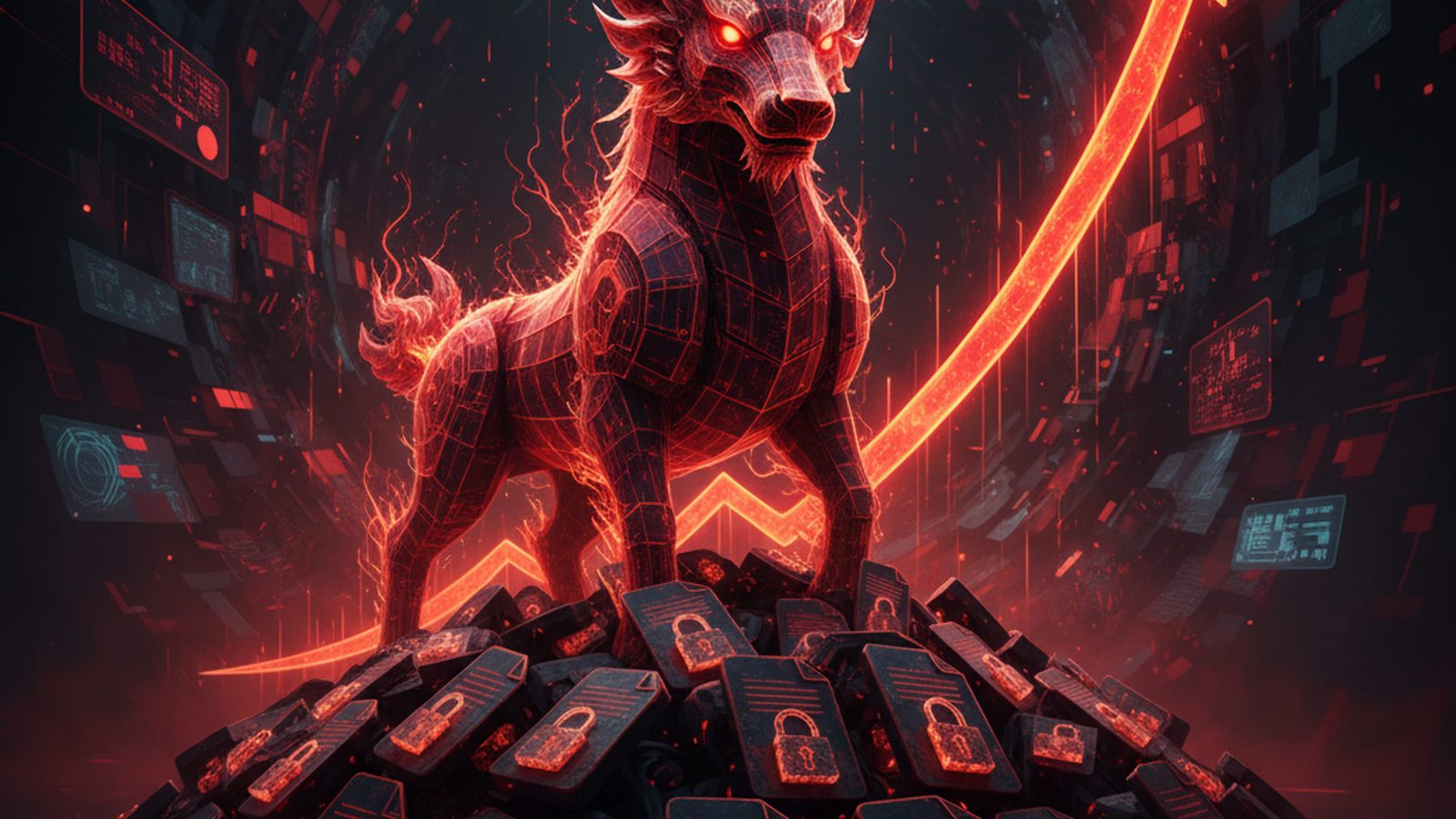
Coca-Cola suspended US production at its Fairlife dairy unit after a ransomware attack and told the SEC it is still assessing the impact.
Coca-Cola has suspended production at US facilities of its Fairlife dairy business after a ransomware attack, Cybersecurity Dive reports.
What we know
- Coca-Cola disclosed the attack in an SEC filing dated July 16, 2026, and is working to determine its full scope (Coca-Cola Company press release).
- Fairlife identified unauthorized third-party access to a portion of its systems, including its production-related systems, in connection with the ransomware event.
- It says product quality and safety are not affected.
- Fairlife's Canadian operations were not hit and remain open.
- No group has claimed the attack, and Coca-Cola says the full scope, nature and impact of the incident were not yet known at the time of disclosure.
- The company promptly activated its incident response and business continuity protocols, engaged outside advisors and cybersecurity experts, and notified law enforcement (BleepingComputer).
Fairlife makes ultra-filtered milk and protein shakes and passed $1 billion in annual retail sales in 2022. Coca-Cola announced a $650 million expansion of its Michigan facilities in March.
What Coca-Cola has said publicly
In its official statement, the company said: "After detecting the issue, the Company promptly activated its incident response and business continuity protocols," adding that "the Company's investigation and assessment of the impact of the incident is ongoing, with the assistance of outside advisors and cybersecurity experts. The Company has also notified law enforcement" (Coca-Cola press release). The company said it had not yet determined whether the cyberattack was reasonably likely to materially affect its overall financial results, a determination that under SEC rules it must continue updating as the investigation proceeds.
Why it matters
Food and agriculture companies have become frequent ransomware targets because production lines and perishable goods cannot wait. Every day offline means spoiled stock and empty shelves, which raises pressure to pay.
Lessons for manufacturers
- Separate factory systems from office IT so one breach cannot stop production.
- Keep offline backups and a tested plan for manual operations.
- Patch internet-facing systems and require multi-factor authentication for remote access.
Why food producers are prime targets
Ransomware gangs pick victims who are under the most pressure to pay quickly. Dairy is a clear example: milk has to be processed within a short window, and factories that cannot run their production systems may be forced to throw away product. That time pressure gives attackers leverage.
The sector has seen several major incidents. In 2021, meat processor JBS paid an $11 million ransom after an attack shut down its plants in the US, Canada and Australia. Agricultural co-operatives and other food firms have also been hit in recent years. In each of these cases, the common thread is the same: ransomware groups specifically target industries where even a short outage causes irreversible losses — spoiled perishable inventory, missed delivery contracts, or halted just-in-time supply chains — because that pressure makes victims more likely to pay quickly rather than rebuild from backups.
What an SEC filing tells us
Since late 2023, US-listed companies must disclose cyber incidents that they judge to be material within four business days. Coca-Cola's filing means it considered the attack significant enough for investors to know about. Further filings may reveal costs, the duration of the outage and whether any data was stolen. The filing was made under Item 8.01 (Other Events) of Form 8-K, a category often used for voluntary disclosures of events a company deems important to shareholders even before a formal materiality determination has been reached, according to filing analysis published by StockTitan (StockTitan).
The scale of Fairlife and Coca-Cola's dairy ambitions
Fairlife, majority-owned by Coca-Cola, has grown rapidly since Coca-Cola took a larger stake in the business, becoming one of the company's fastest-growing brands in North America. Its ultra-filtered milk, Core Power protein shakes and other dairy products are sold at major US retailers, and the brand's rapid growth prompted Coca-Cola's announced $650 million expansion of its Michigan production facilities earlier in 2026 — an investment that underscores how central Fairlife has become to Coca-Cola's broader push into dairy and protein beverages, and why a production stoppage there carries real commercial weight even for a company as large as Coca-Cola.
What it means for consumers
Coca-Cola says product safety is not affected. Shoppers may see shortages of some Fairlife products while production is restored. If you have shared personal details with Fairlife — for example through competitions or online orders — watch for phishing emails that mention the attack.
What readers should do
- If you are a Fairlife customer, there is currently no indication that customer personal data was stolen; the disclosed impact relates to production systems, but it is worth watching for any update from Coca-Cola or Fairlife specifically addressing customer data.
- Expect possible temporary shortages of Fairlife-branded milk and protein products at retailers while US production is restored, and do not be alarmed if substitute products appear on shelves in the meantime.
- Be skeptical of any unsolicited email, text, or social media post claiming to offer compensation, refunds, or "affected customer" registration related to this incident — scammers frequently exploit high-profile breach and ransomware news to run phishing campaigns, even when no customer data has actually been confirmed stolen.
- If you work in food or beverage manufacturing, treat this incident as a reminder to review whether your own production environment (operational technology) is properly segmented from corporate IT networks, since that separation is often what determines whether a ransomware infection in office systems can spread to halt a factory floor.
What happens next
Companies that disclose a ransomware incident via SEC filing are typically required to provide follow-up disclosures as material facts become known, including whether any ransom was paid, what data (if any) was exfiltrated, and the eventual cost of remediation. Readers following this story should watch for a subsequent Coca-Cola 8-K or 10-Q filing that may clarify these details, since initial disclosures — as in this case — are often made while the investigation is still in its early stages and before the full scope is understood.
Update: production resumed, attacker identified
On 27 July 2026, Coca-Cola announced that Fairlife had resumed "the majority of production" at its four US facilities, and that retail availability of Fairlife products had been "largely unimpacted" thanks to existing inventory (The Coca-Cola Company). The company reiterated that product quality and safety were not affected, and said that based on information available at the time, it believed the incident was not reasonably likely to have a material impact on its financial condition or results of operations (Coca-Cola investor relations).
A ransomware-as-a-service group called Anubis claimed responsibility for the attack, telling researchers it had locked Fairlife's servers and stolen up to 1 terabyte of data, and threatening to leak the information if its demands were not met; Coca-Cola did not disclose whether a ransom was paid (Food Dive). Security researchers at Arctic Wolf said Anubis has previously gained initial access to victims through stolen credentials or by exploiting known vulnerabilities, including the "CitrixBleed2" flaw tracked as CVE-2025-5777 (Food Dive). Sophos researchers have described Anubis as operating under three affiliate models: classic ransomware-as-a-service, data-theft-only extortion without encryption, and selling initial access to other criminals (Food Dive).
What is Anubis ransomware?
Ransomware-as-a-service groups like Anubis function similarly to a franchise business: a core group develops and maintains the malware, negotiation infrastructure and leak site, while "affiliates" carry out the actual intrusions and split any ransom payments with the operators. This model has become the dominant structure behind major ransomware attacks in recent years because it lets technically unsophisticated criminals rent access to capable tools, which helps explain why ransomware incidents against large, well-resourced companies like Coca-Cola continue despite years of corporate investment in cybersecurity.
Why CitrixBleed2 matters here
CVE-2025-5777, nicknamed "CitrixBleed2" by researchers because of its similarity to an earlier, widely exploited Citrix flaw, is a vulnerability in Citrix NetScaler appliances that can let an attacker extract session tokens and bypass authentication without needing a password. Vulnerabilities of this kind are especially valuable to ransomware affiliates because NetScaler and similar remote-access appliances often sit at the edge of a corporate network, making a single unpatched device a potential gateway into an entire organization's internal systems. Security agencies, including the US Cybersecurity and Infrastructure Security Agency, have repeatedly urged organizations to patch internet-facing Citrix and VPN appliances quickly precisely because of this exposure.
Timeline
- Early–mid July 2026: Fairlife identifies unauthorized third-party access to its systems, including production systems, and suspends US manufacturing.
- 16 July 2026: Coca-Cola discloses the incident in an SEC filing.
- 27 July 2026: Coca-Cola announces Fairlife has resumed the majority of production at its four US facilities.
- Ongoing: Coca-Cola continues working to fully restore impacted systems, with no public confirmation as of the most recent update of what specific customer or employee data, if any, was taken.
Sources & Verification
Additional reporting
- Cybersecurity Divecybersecuritydive.com
- The Coca-Cola Company press releaseinvestors.coca-colacompany.com
- BleepingComputerbleepingcomputer.com
- StockTitanstocktitan.net
- The Coca-Cola Company – production restoration updatecoca-colacompany.com
- Coca-Cola investor relations – restoration progress releaseinvestors.coca-colacompany.com
- Food Dive – Anubis attribution and restorationfooddive.com
- Reutersreuters.com