McKesson narrows data theft to oncology customers
McKesson says August attack data mainly hit its Oncology and Multispecialty business; ShinyHunters claims 284 million rows of patient data.
By Mira Castell · Published · Updated · 8 min read
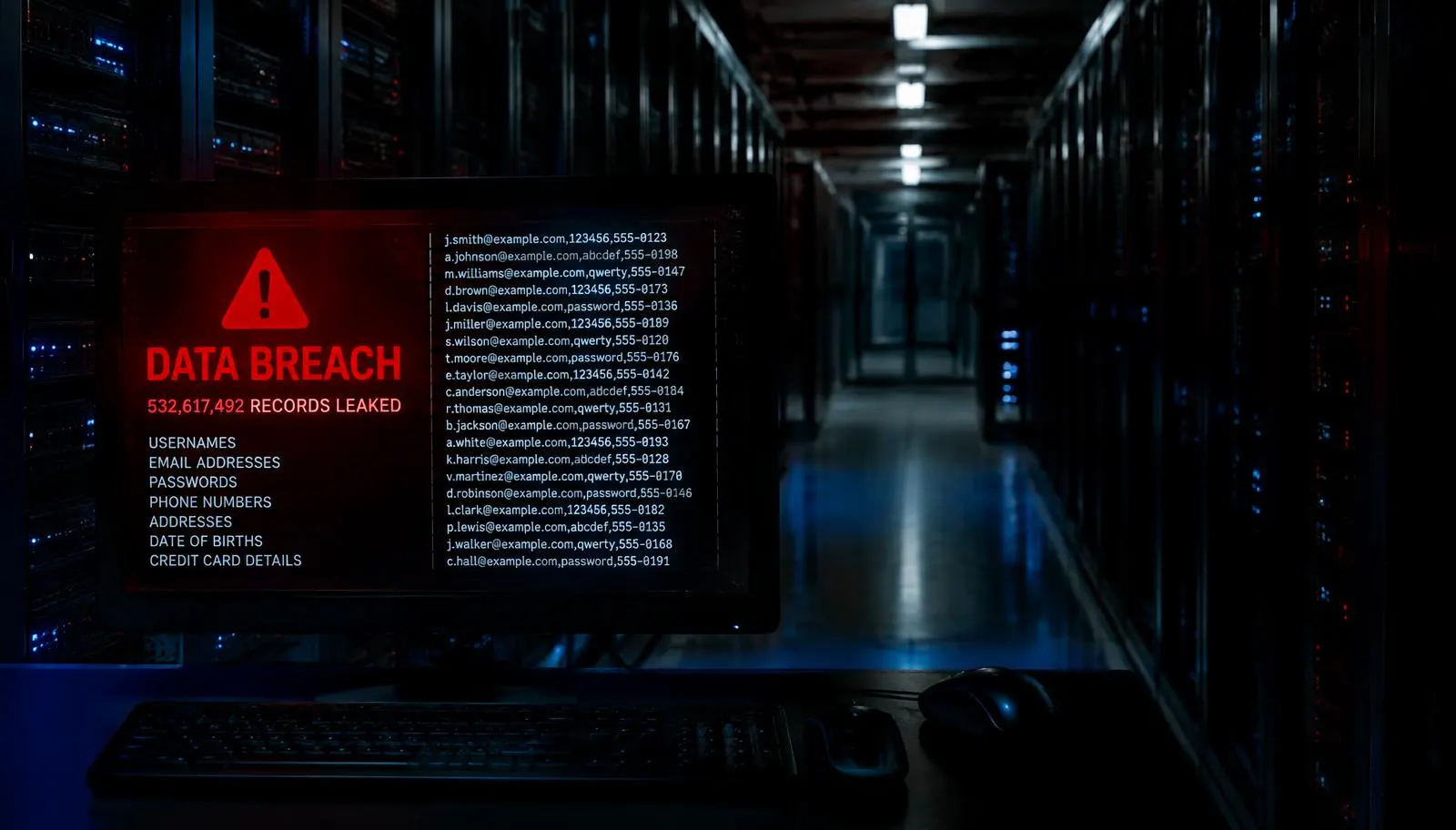
Healthcare giant McKesson has narrowed the confirmed data theft from its August cyberattack to applications serving part of its Oncology & Multispecialty business, Medical Daily reports.
Timeline of the breach
- August 21, 2026: researchers believe the intrusion began, with a four-day period of data theft 2.
- August 25, 2026: McKesson says it discovered the cybersecurity incident 1.
- August 28, 2026: McKesson files a Form 8-K with the US Securities and Exchange Commission and discloses the incident publicly, confirming attackers accessed "certain third-party applications" 1.
- August 31, 2026: McKesson confirms stolen data is linked to customers in its Oncology, Multispecialty and Medical-Surgical business units 2.
- September 8, 2026: McKesson issues an update detailing the categories of data likely exfiltrated.
- September 18, 2026: The HIPAA Journal reports the stolen data includes 6.4 million unique email addresses.
What was taken
McKesson's update said stolen data likely included names, addresses, dates of birth and patient IDs, plus one or more of:
- Health insurance details, including Medicare and Medicaid IDs
- Diagnoses, medications, test results and medical images
- Billing and card details
- Social Security numbers
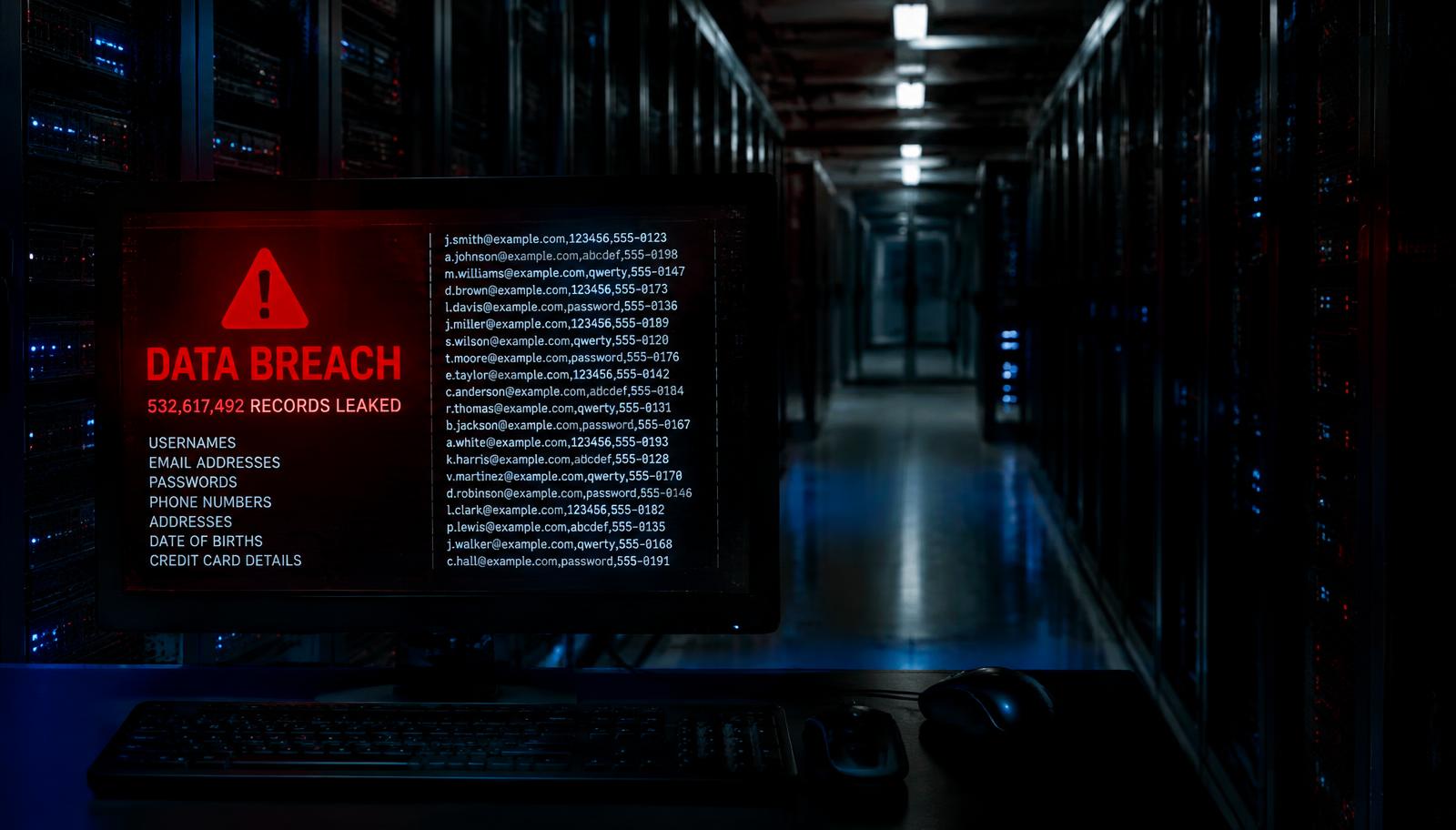
The stolen data includes 6.4 million unique email addresses. The ShinyHunters group claimed responsibility and said it took 284 million rows of patient data, though that is unlikely to mean 284 million people 4. ShinyHunters reportedly demanded $55.2 million to keep the data from being published 5.
McKesson says it has found no sign that its drug distribution business or CoverMyMeds was affected. It has not said how many people are affected.
Who McKesson is and why it matters
McKesson is one of the largest healthcare companies in the United States, distributing pharmaceuticals, medical supplies and technology services to pharmacies and providers. The company claims it distributes about one-third of all pharmaceuticals used in North America and reported $403.4 billion in revenue for the year ending in March 2026 2. Its sheer size and central role in the US drug supply chain make it an especially attractive target for extortion groups, since any disruption to its systems can ripple out to thousands of pharmacies and hospitals.
McKesson Chief Information and Technology Officer Francisco Fraga said in a statement: "Based on our investigation thus far, including assessments by leading cybersecurity industry experts supporting our response, we've confirmed that the unauthorized access to certain third-party applications and the exfiltration of certain data was associated with a subset of customers within our Oncology & Multispecialty and Medical-Surgical business units" 3. He added: "Based on the information currently available, we do not believe any action is required by our customers and we are not proactively disconnecting systems within our environment at this time" 3.
Who ShinyHunters is
ShinyHunters is a prolific cybercrime extortion group that has increasingly targeted the healthcare sector, according to CyberScoop, which described it as "a cybercrime group known for targeting large organizations with extortion demands after stealing massive amounts of sensitive data" 2. The group has previously claimed breaches at other major companies and typically relies on gaining access to third-party or cloud applications — such as customer relationship management platforms — rather than breaking directly into a victim's core network. Weeks before the McKesson incident, the group claimed an attack on Baxter International, another large healthcare company, according to a HIPAA compliance analysis 5.
Who is most likely affected
Patients treated at cancer centres and specialty practices that use McKesson's oncology services — not everyone who fills a prescription at a pharmacy McKesson supplies. The breach was limited to third-party applications supporting specific business units, rather than McKesson's core pharmaceutical distribution systems, which the company says remained operational throughout.
Why social engineering, not hacking skill, is often the real weak point
Unlike breaches that rely on exploiting unpatched software, ShinyHunters-style attacks frequently rely on tricking employees or contractors — for example, through phishing or impersonation — into handing over credentials or access tokens for cloud applications. A HIPAA compliance analysis described the McKesson breach as showing "how vulnerable the human connection is," noting that "unlike complex hacking intrusions that rely on sophisticated programming through back channels, ShinyHunters uses social engineering to trick people into giving away security information" 5. This matters for defenders because it means technical patching alone will not stop these attacks — staff training, strong authentication and strict controls on third-party application access are equally important.
Regulatory context
Health data breaches of this kind generally trigger obligations under the US Health Insurance Portability and Accountability Act (HIPAA), which requires notification to affected individuals, the Department of Health and Human Services, and in some cases the media, depending on the number of people affected. McKesson's SEC filing itself reflects a separate requirement: public companies must disclose material cybersecurity incidents to investors under rules the SEC adopted in 2023. As of the company's most recent public statements, McKesson said it had not determined the incident to be "material" to its financial condition, even as it continued notifying affected business units.
What patients should do
- Watch for an official notice letter and take up any credit monitoring offered.
- Check insurance statements for treatments you did not receive — medical identity theft is common after health breaches.
- Be wary of calls about "billing problems" that use your medical details.
- Confirm any breach notice is genuine by looking up McKesson's official cybersecurity information page rather than clicking links in an email.
- If your Social Security number was involved, consider placing a fraud alert or credit freeze with the major credit bureaus.
What readers should do
- Wait for official notification rather than assuming the worst — McKesson has said the number of affected individuals has not yet been finalized.
- Verify the source of any breach notice by visiting McKesson's cybersecurity page directly rather than clicking email links.
- Review insurance and billing statements closely for unfamiliar charges, since billing and claims data may have been exposed.
- Enable monitoring services offered in official notification letters, especially if Social Security numbers were involved.
- Be alert to oncology-specific scams, such as fake calls from "insurance" or "billing" departments referencing real treatment details.
- Report suspicious contact that references your medical information to your healthcare provider and, in the US, to the Federal Trade Commission.