Nigeria warns of fake NIN correction portal
The National Identity Management Commission says social posts offering a free NIN correction portal are a phishing scam.
By Sam Reyes · Published · Updated · 8 min read
Nigeria's National Identity Management Commission (NIMC) has warned the public about a fake "Correction Portal" for National Identification Numbers (NIN), Propolitics reports.
The scam
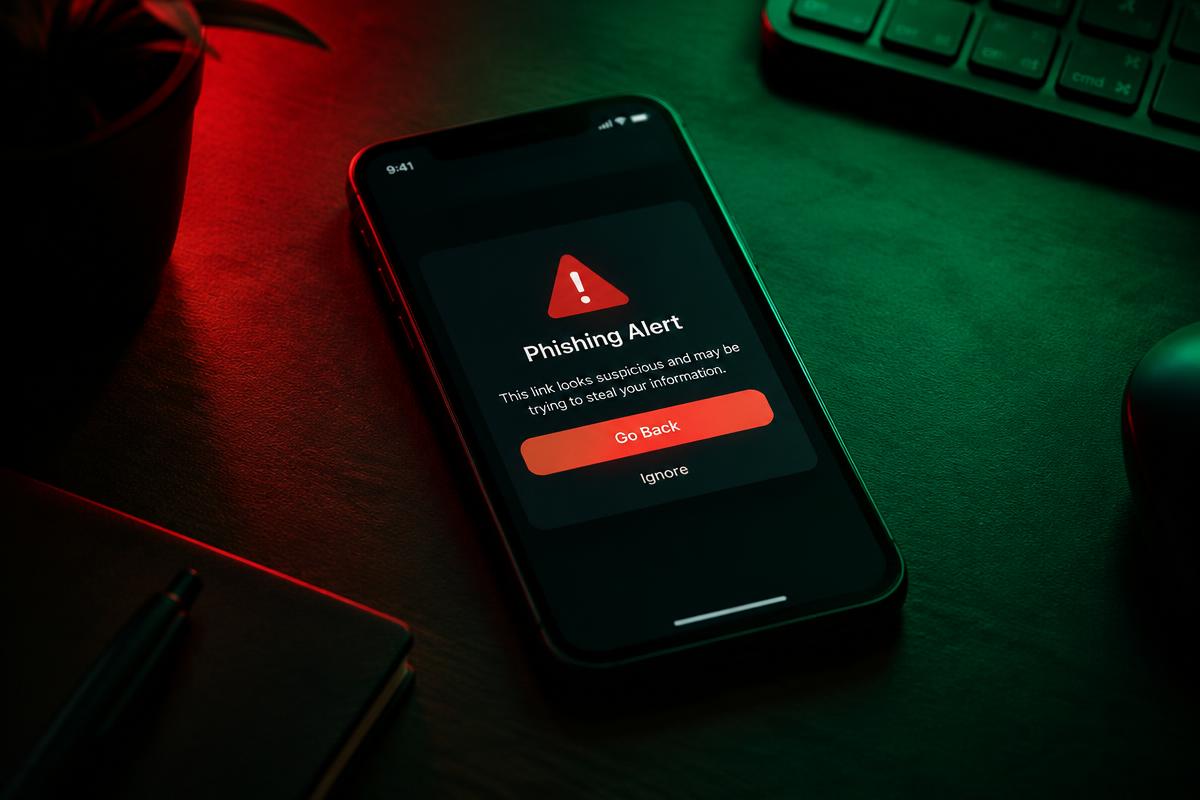
Social media posts claim a free NIN correction portal is open and share links to it. NIMC says the links are a phishing scam designed to steal personal data. It says the national identity database itself remains secure.
NIMC's public advisory, issued on its official X account, stated: "NIMC warns the public against a fraudulent social media post claiming a free 'Correction Portal' is open via malicious links. This is a phishing scam" 2. The commission added: "We assure citizens that the National Identity Database is secure and fully protected" 2.
According to Premium Times, NIMC also clarified that "the portal being circulated online has no connection with the commission and should not be trusted" 5.
Why it matters
A NIN is linked to bank accounts, SIM cards and government services in Nigeria. Criminals who collect NIN details along with names, birth dates and phone numbers can use them for SIM fraud, loan scams and identity theft.
NIMC's long-running fraud alert
This is not the first time NIMC has had to warn Nigerians about fraud targeting the NIN system. The commission maintains a standing "Fraud Alert" notice on its website stating plainly: "The National Identification Number (NIN) is FREE! The National e-ID Card is FREE! Do not pay anyone to obtain your NIN or e-ID card, they are FREE" 1. That notice also warns against "fake social media accounts (Facebook, WhatsApp, Twitter, etc.) posing as official NIMC or 'fan' pages asking you to make payments to them to get your NIN, NIN Slip or e-ID card," and against fraudsters posing as NIMC agents or staff offering to speed up enrolment for a fee 1. NIMC states explicitly: "NIMC will Never Ask You to Upload Your BVN or NIN on Any Unauthorised Portal!" 1.
That standing warning suggests the fake Correction Portal scam is just the latest version of a recurring fraud pattern NIMC has battled for years, rather than an isolated, one-off incident.
How to stay safe
- Only update or correct NIN records through NIMC's official self-service portal or authorised enrolment centres.
- Do not click links in social media posts offering identity services.
- Report suspicious messages to NIMC through its official channels.
Why NIN scams keep coming back
Since Nigeria made linking SIM cards to a NIN mandatory, millions of people have needed to fix spelling mistakes, wrong birth dates or mismatched records. That creates constant demand for "quick fixes", and scammers exploit it with fake portals, fake agents on WhatsApp and paid "correction services" that never deliver.
Most fake portals follow the same pattern: an urgent post shared in groups, a link to a site that copies NIMC's colours and logo, and a form asking for your NIN, full name, birth date, phone number and sometimes a photo of your ID slip. Some then ask for a "processing fee" on top.
What criminals do with the data
- SIM swap fraud: with your NIN and personal details, a fraudster can try to get a replacement SIM for your number and receive your bank's one-time codes.
- Loan app fraud: stolen identity details are used to take out instant loans in someone else's name.
- Targeted scams: a caller who already knows your NIN and birth date sounds far more convincing when they pretend to be from your bank or a government agency.
How to spot the fake
- Check the web address carefully. Official NIMC services sit on NIMC's own domain, not on free website builders or shortened links.
- NIMC does not announce new services through forwarded WhatsApp messages or unofficial social media pages.
- Be suspicious of any site that asks for payment through a personal bank account.
What the official self-service process actually requires
According to NIMC's own advisory, people who genuinely need to update or correct their NIN details should "use the official self-service portal or visit authorized enrollment centres nationwide" 4. The commission also urged the public to "verify all information through its official communication channels and report suspicious messages offering identity-related services outside approved platforms" 4. This reinforces that there is no separate, special "Correction Portal" distinct from NIMC's existing, long-standing self-service system — any website or social post claiming otherwise should be treated as fraudulent by default.
If you already submitted your details
- Contact your mobile network and ask them to add extra checks before any SIM replacement.
- Tell your bank, and watch your accounts and BVN-linked services for activity you do not recognise.
- Report the site to NIMC so it can be taken down.
Why identity scams are a growing problem in Nigeria
Nigeria's push to link NIN to SIM cards, bank verification numbers (BVN) and various government services has made the NIN one of the most consequential pieces of personal data a Nigerian citizen holds. As more services require NIN verification, criminals have correspondingly increased efforts to harvest it through fake portals, phishing messages and impersonation of NIMC staff — a dynamic mirrored in other countries that have rolled out mandatory national digital identity systems, where the identity number itself becomes a single point of fraud risk if compromised.
What readers should do
- Never pay for a NIN, e-ID card, or "correction service" — NIMC has repeatedly stated these services are free.
- Use only NIMC's official self-service portal at nimc.gov.ng or visit an authorised enrolment centre in person for any NIN correction.
- Ignore and do not click links shared in WhatsApp groups, Facebook posts or other social media claiming to offer a special or faster NIN correction process.
- Verify any NIMC announcement by checking the commission's official website or verified social media accounts before acting on it.
- If you've already submitted details to a suspicious site, alert your mobile network provider to add extra verification before any SIM swap, inform your bank, and monitor BVN-linked accounts for unusual activity.
- Report suspicious portals or messages to NIMC through its official channels so the fraudulent site can be investigated and taken down.